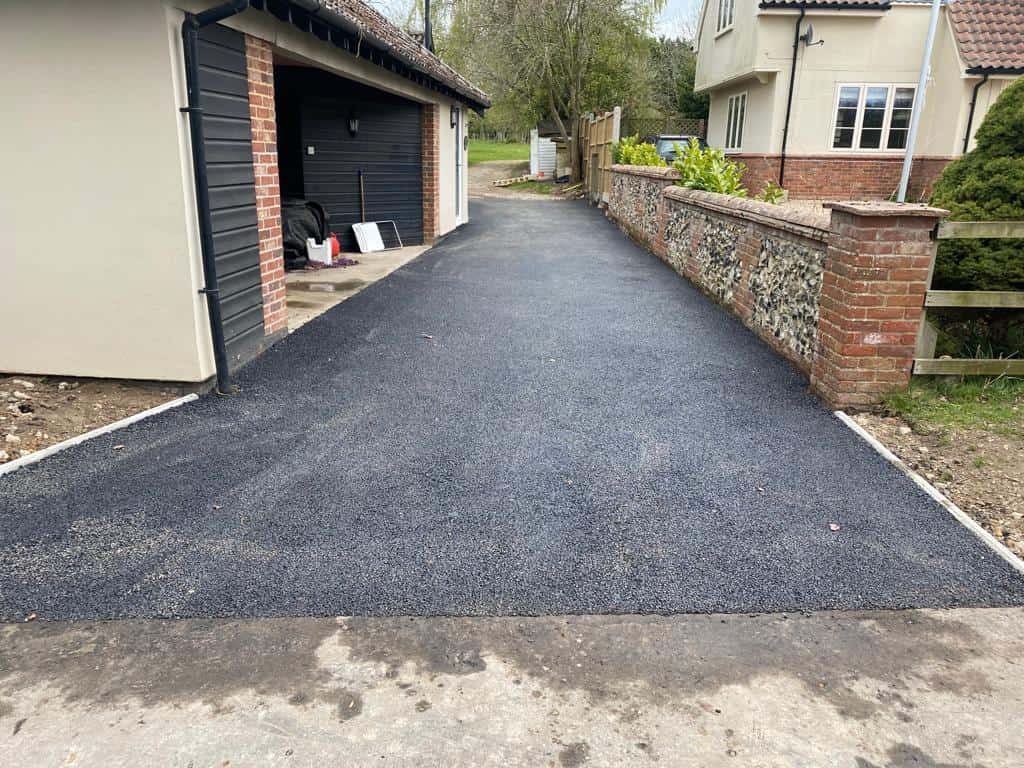
How Can Quality Tarmac Work Reduce the Need for Future Repairs?
Tarmac is widely used for driveways and other frequently used surfaces because it can provide a strong, practical and consistent finish. However, the long-term performance of a tarmac surface depends on considerably more than the material visible when the work is complete.
Many problems that eventually appear at surface level begin lower down. Insufficient preparation, weak supporting layers, inadequate compaction, unsuitable levels or poor drainage can all place unnecessary stress on the finished tarmac. A driveway may initially look satisfactory but begin showing defects when regular vehicle use and changing weather conditions expose weaknesses within its construction.
For property owners in Rochester, Kent, investing in quality tarmac work means focusing on the complete construction process. Correct preparation, appropriate materials and professional installation can reduce avoidable weaknesses and therefore lessen the likelihood of premature repairs.
Why Quality Tarmac Installation Matters for Long-Term Performance
A durable tarmac driveway needs each part of its construction to work together. The finished surface cannot compensate indefinitely for weaknesses underneath it.
Quality installation considers:
- The condition of the existing ground
- Appropriate excavation and preparation
- A stable supporting base
- Thorough compaction
- Expected vehicle use
- Correct surface levels
- Effective drainage
- Secure and properly formed edges
- Consistent tarmac installation
- Suitable transitions to adjoining surfaces
Getting these elements right from the beginning can prevent many of the problems that otherwise lead to repeated repair work.
A Strong Driveway Starts Beneath the Tarmac
The most important parts of a tarmac driveway are not necessarily the parts homeowners can see.
The finished layer relies on the construction beneath it for support. If those underlying layers move excessively, settle unevenly or contain weak areas, the surface above can eventually reflect that instability.
This can result in depressions, cracking and other forms of deterioration.
Proper ground preparation therefore creates the foundation for everything that follows. Installing good-quality tarmac over an unsuitable base does not remove problems underneath it.
A professional installation treats the base and finished surface as parts of the same system.
Ground Conditions Need to Be Understood
Not every driveway begins with identical ground conditions.
Some areas may contain existing surfacing, disturbed ground or sections that have previously settled. These differences can influence how the new driveway should be prepared.
Simply covering an existing problem can allow it to return through the new surface.
Before tarmac is installed, unsuitable or unstable areas should be identified so that the preparation can respond to the actual condition of the site.
This is one reason professional assessment before installation is valuable. It allows problems to be dealt with while the underlying construction remains accessible.
Correct Excavation Helps Create a Reliable Foundation
Where new construction is required, excavation establishes the space needed for the supporting layers and finished surface.
Inadequate preparation can leave insufficient depth for a stable driveway construction. Excessive disturbance can create different problems if the ground is not subsequently prepared correctly.
The amount of preparation required depends on the site and intended use.
Quality tarmac work therefore does not begin with laying the visible surface. It begins with creating suitable conditions for the driveway to carry the loads that will regularly pass over it.
Compaction Is Essential for Stability
A supporting layer can contain appropriate materials and still perform poorly if it has not been compacted properly.
Compaction helps create a dense, stable structure capable of distributing vehicle loads through the driveway construction.
Weakly compacted areas can settle after installation, potentially creating depressions at the surface. Water may then collect in these low spots, placing further demands on the driveway.
Consistent compaction throughout the construction helps reduce these localised weaknesses.
It is one of the less visible aspects of professional surfacing work, but it can have a considerable influence on how the driveway performs later.
The Driveway Should Be Designed for Its Actual Use
A driveway should be constructed according to how it will be used rather than simply according to its dimensions.
A surface regularly carrying vehicles experiences different demands from a lightly used pedestrian area.
Vehicle movements also matter. Parking, turning and repeated travel over the same sections can concentrate loading in particular places.
Considering these patterns during planning allows the supporting construction to be prepared appropriately.
This helps prevent a situation where the driveway looks suitable when newly installed but begins struggling once it is subjected to normal daily use.
Good Drainage Helps Protect the Surface
Water is an important consideration in almost every driveway project.
A well-planned tarmac surface should direct rainfall appropriately rather than allowing water to remain unnecessarily across the driveway.
Persistent standing water can indicate that levels are not functioning as intended. Water may also find its way into existing cracks or weaknesses, potentially contributing to further deterioration over time.
Drainage should therefore be considered during the design and preparation stages.
Trying to correct unsuitable levels after the entire driveway has been surfaced can be considerably more disruptive than planning them correctly from the outset.
Correct Levels Prevent Unnecessary Low Spots
The finished appearance of a tarmac driveway should be smooth, but surface levels also have an important practical purpose.
Appropriate falls help direct water towards the intended drainage route.
Poorly formed levels can leave isolated depressions where rainfall repeatedly collects. These areas may become increasingly noticeable and can make the driveway less satisfactory to use.
Careful preparation before surfacing allows levels to be established through the underlying construction rather than attempting to create them solely within the final tarmac layer.
This provides a more considered approach to the complete driveway.
Edge Support Should Not Be Overlooked
The edges of a driveway can experience considerable pressure, particularly where vehicles regularly pass close to them.
Without appropriate support, vulnerable edges may begin breaking away or losing their original shape.
Proper edge detailing helps keep the tarmac contained and defines the boundary of the driveway.
The correct solution depends on the design and surrounding materials, but edge construction should be planned before the main surface is installed.
Treating edges as an afterthought can leave otherwise sound tarmac vulnerable at some of its most exposed points.
Consistent Installation Reduces Weak Areas
Tarmac needs to be installed methodically to create a uniform finished surface.
Inconsistent thickness, poorly joined sections or inadequately compacted areas can create localised weaknesses. These may not always be obvious immediately after completion but can become more noticeable through continued use.
Quality workmanship aims to create consistency throughout the surfaced area.
This is particularly important where a large driveway contains turning areas, entrances or sections experiencing different patterns of vehicle movement.
A uniform construction provides a better foundation for reliable performance.
Transitions Need Careful Attention
Driveways rarely exist completely independently from surrounding surfaces.
The tarmac may meet entrances, paths, drainage details or other hard landscaping. These transition points need to be properly considered because abrupt or poorly formed junctions can become vulnerable areas.
A well-planned transition provides a neat connection while maintaining appropriate levels and support.
Attention to these smaller details can help prevent sections around the perimeter from deteriorating earlier than the main body of the driveway.
Existing Damage Should Not Simply Be Covered
When resurfacing an older driveway, it can be tempting to view new tarmac as a way of hiding existing defects.
This approach is only suitable where the underlying construction remains appropriate.
Significant cracking, movement, sinking or widespread deterioration can indicate problems that should be addressed before a new surface is applied.
Otherwise, existing weaknesses may eventually become visible through the replacement layer.
Professional assessment helps distinguish between a surface that is suitable for resurfacing and one that requires more extensive preparation first.
Cracking Can Have More Than One Cause
Not every crack in a tarmac driveway develops for the same reason.
Some can be associated with movement underneath the surface, while others may relate to localised deterioration, weak edges or previous repairs.
This is why preventing future cracking involves more than simply choosing a durable surfacing material.
Quality installation reduces avoidable causes by creating appropriate support, consistent compaction and correctly formed edges.
Where cracks already exist, understanding their cause is equally important before deciding how the surface should be repaired or resurfaced.
Preventing Settlement Begins During Construction
Sunken areas are often associated with movement beneath the finished surface.
Once a depression develops, simply adding material to the top may improve its appearance temporarily without correcting why the area moved.
Quality tarmac work aims to reduce this risk before surfacing takes place.
Stable supporting layers and thorough compaction help distribute loads and limit unnecessary settlement.
This is particularly important in sections where vehicles regularly stop, park or turn because these areas can experience concentrated loading over many years of use.
Quality Repairs Should Address the Cause Too
Even well-installed outdoor surfaces can eventually require maintenance.
When a tarmac driveway does develop damage, the quality of the repair matters for the same reason as the original installation.
A repair should consider why the defect appeared.
For example, repairing the surface of a depression without addressing unstable material beneath it may leave the same weakness in place. Similarly, filling a crack without considering surrounding movement may not provide the most appropriate solution.
Root-cause repair work can help prevent repeated attention to the same area.
Early Attention Can Prevent Damage From Spreading
A small defect does not always require extensive work, but allowing deterioration to continue can make repairs more involved.
Cracks, damaged edges and localised depressions can expose parts of the driveway to additional water and vehicle stress.
Addressing these problems while they remain contained can help preserve surrounding sections that are still performing correctly.
This is another way quality workmanship reduces future repair requirements: good maintenance focuses on retaining sound construction rather than waiting until deterioration has spread across a much larger area.
Routine Maintenance Still Has a Role
A professionally installed tarmac driveway is designed for regular use, but that does not mean it should be ignored completely after installation.
Keeping the surface reasonably clean allows its condition to be monitored. Drainage areas should remain clear so rainfall can move away as intended.
Homeowners can also keep an eye on edges and areas receiving concentrated vehicle use.
Noticing a small change early makes it easier to determine whether straightforward maintenance is sufficient before the issue becomes more established.
Quality construction and sensible maintenance work together rather than replacing one another.
Why the Lowest Level of Work Is Not Always the Best Approach
The visible tarmac represents only part of the completed driveway, yet it is naturally the feature that receives most attention.
Reducing preparation beneath the surface may initially make little visual difference. Both properly and poorly prepared driveways can look similar immediately after installation.
The distinction often becomes clearer later.
Vehicle use, rainfall and changing conditions gradually reveal weak foundations, inadequate compaction and poorly formed levels.
Quality driveway work therefore places as much emphasis on preparation as it does on producing an attractive final finish.
Professional Planning Helps Prevent Repeat Problems
A good driveway project begins with assessing what the site requires.
This includes considering ground conditions, existing construction, drainage, vehicle use, boundaries and how the driveway connects with surrounding areas.
Planning these factors together reduces the need to make compromises once installation is already underway.
It also helps identify existing problems that could otherwise be hidden beneath new surfacing.
Preventing defects at this stage is generally more effective than repeatedly repairing symptoms after the driveway has been completed.
Quality Tarmac Work in Rochester, Kent
For property owners in Rochester, Kent, the quality of a tarmac driveway depends on much more than achieving a smooth black surface.
At Rochester Driveways & Surfacing, we consider preparation, supporting construction, compaction, drainage, levels and edge details as part of the complete surfacing process. Where an existing driveway is being resurfaced, its current condition should also be assessed before new material is installed.
The objective is to create a practical surface with the support required for its intended use, reducing avoidable weaknesses that could otherwise lead to premature repairs.
Conclusion
Quality tarmac work can reduce the need for future repairs by addressing the factors that commonly cause premature deterioration before the finished surface is installed.
Stable foundations, thorough compaction, appropriate drainage, correct levels, secure edges and consistent installation all help the driveway cope with regular vehicle use. Equally importantly, existing structural problems should be identified rather than simply hidden beneath new surfacing.
No outdoor surface can be expected to remain completely unchanged indefinitely, but good preparation and workmanship can prevent many avoidable defects from developing prematurely.
If you are considering a new tarmac driveway, resurfacing or repairs in Rochester, Kent, contact Rochester Driveways & Surfacing. We can assess the existing area and recommend an appropriate approach based on the condition of the site and how the finished surface will be used.
Call us on: 01634 564 093
Click here to find out more about Rochester Driveways & Surfacing
Click here to complete our contact form and see how we can help with your driveway needs.