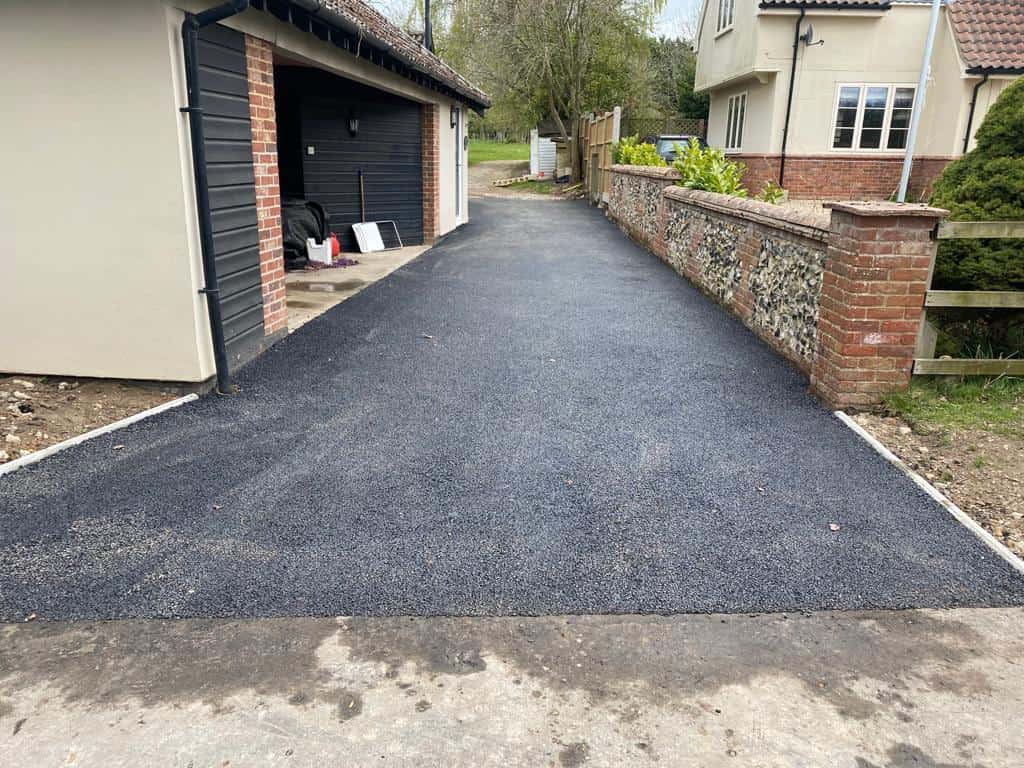
When Repeat Repairs Become Frustrating, Ask Whether Resurfacing Is the Answer
An occasional driveway repair can be a sensible way to address isolated damage. However, when cracks, potholes and worn patches continue to appear, repeatedly treating each defect may no longer improve the surface as a whole.
Resurfacing can provide a more consistent finish and restore performance across a wider area, but it is not suitable for every driveway. The existing surface and its supporting base must be assessed first. If the underlying structure remains stable, resurfacing may offer a dependable alternative to continued patching. If movement originates below, more extensive preparation may be required.
Is It Time to Resurface Your Driveway?
The decision should be based on the cause, pattern and extent of the damage. A professional assessment can determine whether the defects are confined to the upper layer or indicate a deeper structural weakness.
Why Repairs Sometimes Keep Failing
A repair may deteriorate again when it deals only with the visible symptom. Filling a crack or patching a pothole will have limited value if water ingress, poor drainage or movement beneath the surface remains unresolved.
Recurring problems can be caused by:
- An unstable or poorly compacted base
- Water entering through cracks and joints
- Inadequate drainage
- Weak or unsupported edges
- Repeated vehicle movement over vulnerable areas
- Tree roots or ground movement
- Age-related deterioration across the surface
- New and existing materials moving differently
Identifying which factor is responsible is essential before deciding on further work.
Signs That Patching Is No Longer Enough
One or two localised defects may still respond well to repair. Resurfacing becomes worth considering when damage is spread over a substantial proportion of the driveway.
Relevant signs include:
- Numerous cracks forming in different areas
- Several previous patches creating an uneven finish
- Loose aggregate across the surface
- Shallow potholes continuing to develop
- Broad areas that appear faded, brittle or worn
- Minor dips where water begins to collect
- Repairs separating from the surrounding material
- A surface that feels rough or inconsistent underfoot
These symptoms can indicate that the upper layer is deteriorating generally rather than failing at one isolated point.
What Does Driveway Resurfacing Involve?
Resurfacing normally involves preparing the existing driveway and installing a new surface layer over a suitable foundation. Preparation is one of the most important stages.
Loose and damaged material must be removed, defects should be repaired, levels need to be checked and the existing surface must provide a stable platform. Edges, drainage features and junctions also require careful attention so that the new layer can be properly contained and water can run off effectively.
Simply covering defects without suitable preparation risks allowing the same cracking or movement to reappear.
When Is an Existing Driveway Suitable for Resurfacing?
A driveway may be suitable when its base remains firm and the principal deterioration is within the surface layer. The area should not be moving significantly, and any localised weak sections must be capable of being corrected before the new surface is installed.
Positive indicators include:
- The driveway remains broadly level
- There is no widespread sinking
- Most of the base feels firm under traffic
- Drainage can be maintained or improved
- Damage is mainly superficial
- Failed areas can be removed and reinstated
- The edges can support the new surface
A detailed inspection is necessary because the condition of the base cannot always be judged from appearance alone.
When Resurfacing May Not Be the Right Answer
Resurfacing is unlikely to provide a lasting solution when the supporting layers have failed across a large area. A new surface will follow movement beneath it, which can lead to cracking, depressions and further potholes.
Warning signs of deeper failure include:
- Significant or widespread sinking
- Deep depressions that repeatedly hold water
- Extensive interconnected cracking
- Movement when vehicles pass over the surface
- Soft or unstable areas
- Severe edge collapse
- Repeated repairs failing in the same locations
- Uneven levels caused by widespread settlement
In these circumstances, the affected materials may need to be removed so the base and drainage can be corrected before a new surface is laid.
Why Drainage Must Be Considered
Water is one of the main contributors to recurring surface damage. It can enter through small cracks, weaken the base and carry fine material away. Repeated wetting and drying can then allow movement to develop.
Resurfacing should therefore include an assessment of the driveway’s falls, drainage routes and low points. Correct levels help direct water away rather than allowing it to collect or penetrate vulnerable edges and joints.
The Importance of Repairing Edges
Driveway edges provide lateral support to the surface. If they crumble or spread, damage can gradually work towards the centre.
Before resurfacing, weak edges may require rebuilding or strengthening. This helps contain the new material and reduces the likelihood of early deterioration where the driveway meets lawns, planting areas or other surfaces.
Can Resurfacing Improve a Patchy Appearance?
Repeated repairs can leave a driveway with differences in colour, texture and level. Even when each patch remains functional, the overall surface may look fragmented.
Resurfacing can create a more uniform finish across the driveway. Its primary value, however, should be improved surface performance. A consistent appearance will not compensate for an unstable base, so structural suitability must always come first.
What Should a Professional Assessment Cover?
Before recommending resurfacing, a contractor should examine:
- The type and distribution of cracking
- The stability of the supporting base
- Areas of sinking or movement
- The condition of previous repairs
- Surface and edge deterioration
- Drainage and existing levels
- How vehicles use and turn on the driveway
- Whether local preparation can provide a sound platform
This assessment allows the work to address the cause of recurring defects rather than simply covering them.
Conclusion
Resurfacing can be a practical solution when repeated repairs have left a driveway worn, patchy and inconsistent, provided the underlying base remains stable. It can restore a continuous surface and resolve widespread deterioration more effectively than another series of isolated patches.
Where sinking, movement or drainage problems originate beneath the surface, these issues must be corrected first. Rochester Driveways & Surfacing provides professional driveway assessments and surfacing services in Rochester, Kent. If repeated repairs are no longer delivering a dependable result, contact the team to discuss whether resurfacing is suitable for your driveway.
Call us on: 01634 564 093
Click here to find out more about Rochester Driveways & Surfacing
Click here to complete our contact form and see how we can help with your driveway needs.